
 Our newsletter


Increasing creator marketing efficiency in 2027
Practitioner's notes:
Below is a list of things to try in your next creator campaign.
An action stays on this list unless a newer, higher-quality finding contradicts it. When two sources disagree and neither clearly outranks the other, we keep both and note the disagreement in the evidence layer below.
For this category, actions come only from research published in the last 18 months. Creator marketing moves fast, and older advice often stops holding. The evidence layer reaches back 24 months, so you can see what a current action grew out of and where the picture has since changed.
Last updated: October 2026
Building your influencer marketing strategy
Treat creator work as a default part of your channel mix — not an experiment. Focus instead on creator campaign efficiency: which creator tier to use, what content to post, and what to measure — not whether to do it.
Plan creator budgets alongside paid media. Most teams combine creator spend with budgets allocated to paid and digital ads.
Plan influencer activity as a portfolio of attempts — not around an expected average. Influencer ROI varies far more than other channels, and that spread is where results are won or lost.
You don't have to choose between in-house and agency. The hybrid model is the most common setup: keep strategy and creator relationships in-house, and use agencies for scale and execution.
When hiring an influencer partner, weigh creative strategy heavily when shortlisting. Also confirm the agency can connect creator work to paid media — something large clients increasingly expect.
Automate the admin side of influencer work — discovery, reporting, approvals — not the relationship. Managing creator relationships is the marketing task people least want AI to take over. If you’re planning AI automations, start with creator discovery and audience matching.
Build creator vetting, compliance, and brand-safety checks into your influencer program before you scale spend or add channels. Brand safety and compliance are among the top creator-marketing challenges for agencies.
 Trend
 Idea
 Open full graph
Winner tactics for boosting efficiency
For sales goals, brief creators to show real product use and share personal experience — so users have a reason to believe them. Perceived authenticity was the strongest conversion driver (3.06x higher odds).
Screen creators for audience–brand fit before contacting them to negotiate deliverables or price. Better fit nearly doubles the odds of conversion, and brands rank fit first and follower count last.
Put paid amplification behind creator content before adding lower-control tactics like gifting or seeding: boosting creator posts was the top self-reported ROI driver.
Focus on creator selection and content quality — not optimizing spend, CPM, or campaign length. Across 220 campaigns, these three factors showed almost no relationship with influencer ROI.
Goals and planning
Set awareness KPIs for your creator campaign. Brand awareness is the top creator marketing priority across brand types, so if you judge a program only on sales, you’re measuring it against a goal most brands don’t set for it.
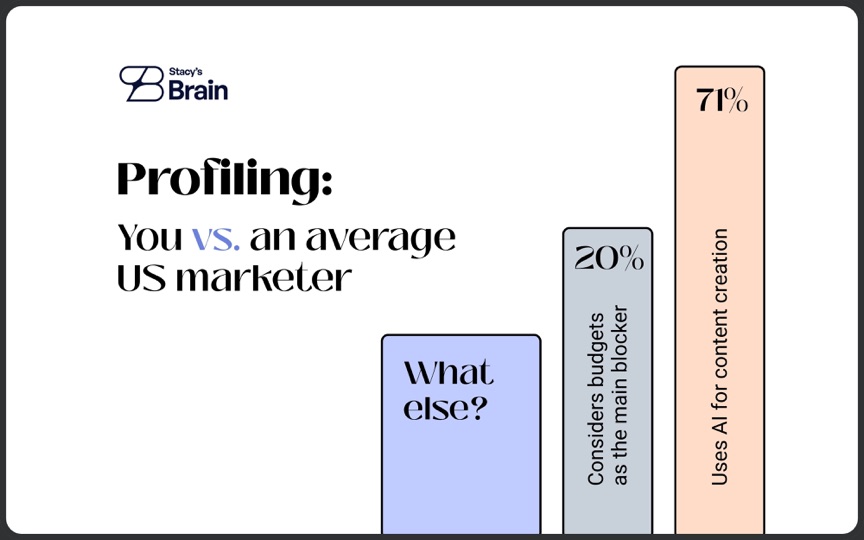
Decide how you’ll measure creator campaign efficiency before launch, so the team can show results without rebuilding attribution afterward. For context: 71% of marketers say proving ROI is their biggest influencer challenge.
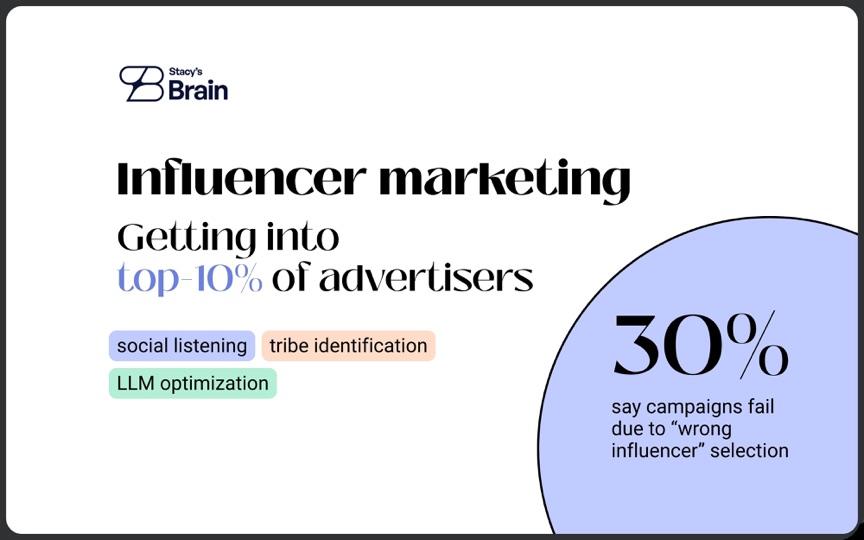
Set aside time and resources for audience research. Nearly half of marketers allocate nothing to it, and a third choose creators based only on a general sense of who their audience is — which is one of the main reasons campaigns fail.
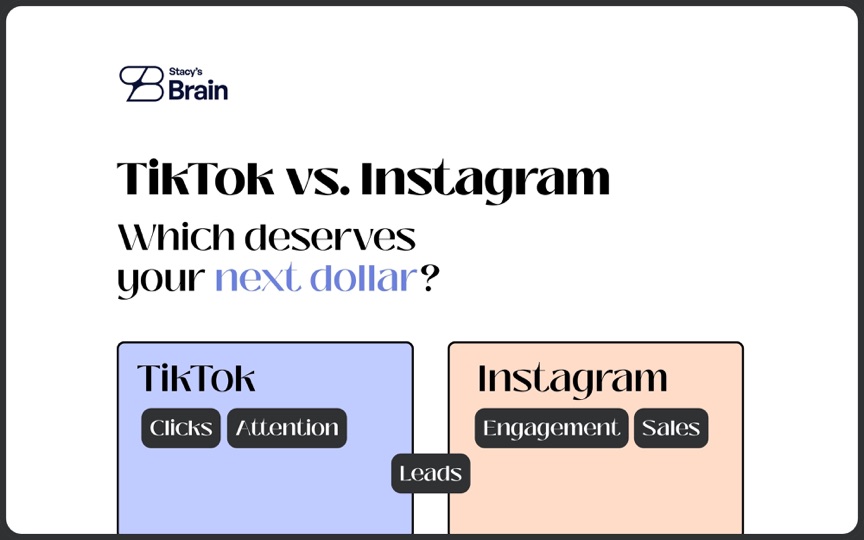
Before shifting budget to newer, trending platforms, benchmark returns from your current channels. Overall, Instagram is cited as the top influencer-ROI platform for brands, and interest in TikTok is rising.
Plan YouTube as a long-form, evergreen channel — with longer production lead times — rather than a copy of your briefs for other platforms. It’s also where brands most often expand into new campaigns.
If you plan creator budgets across regions, note that the steepest budget increases are reported in Africa, the Middle East and Latin America, not in North America or Europe.
Shortlisting creators
Price and evaluate creators based on average views, shares, and saves. Classic metrics like follower count, likes, and comments may be less informative.
Don’t use recent reach as your main creator-shortlisting criteria. Algorithm changes are often creators’ biggest growth barrier — so evaluate engagement quality and audience fit over a longer period.
Your creator shortlisting strategy should include creator-specific social listening insights — what their audience actually talks about. 94% of marketers shortlist based on engagement rate, and 88% on demographics, but only 25% use social listening. Engagement and demographics describe the creator, not the audience fit.
In niche categories, test nano creators (1K to 10K) first before defaulting to larger accounts: across 63 niche campaigns they had the highest conversion rate and the lowest cost per acquisition, while macro creators scored weakest.
Micro-influencers (10K to 100K) are still marketers' most successful creator size, but the margin is shrinking. Re-test other creator cohorts to reassess efficiency for your specific niche.
Consider looking beyond individual creators to knowledge-sharing micro-communities in your category: almost 40% of consumers trust a recommendation inside one about as much as a personal one.
Favor creators whose unpaid content already covers the product category you want to sponsor.
Check a creator's past sponsor mix and be cautious with creators whose sponsorship history is heavily concentrated in one brand as their engagement might be lower.
Studies show that the highest paid-post engagement comes from creators with either a low or high sponsored-post mix. So be cautious with creators who sit in the middle: mid-ad-load creators got the least engagement, and people were about twice as likely to share a sponsored post from either end.
Choosing collaboration formats
Offer creators a path beyond the one-off post — audience growth, visibility, and longer-term work — because growth opportunities matter most to creators in brand partnerships. No single format (ambassador programs, UGC in paid ads, or one-off campaigns) clearly wins on ROI.
Negotiate package deals to manage costs: bundle multiple deliverables, shorten usage rights, or add cross-platform posting.
Set your budget ceiling based on views and engagement, and ask creators to share their quotes first. Negotiate within those internal limits, using follower-tier price ranges only as a starting point.
On TikTok, prioritize video when planning influencer campaigns, and use carousels, lives and live shopping only when they match a specific campaign goal.
In creator campaigns, AI can be used to speed up production — not to replace a creator’s voice or likeness. That’s where creators draw the line first, and 89% of marketers don’t plan to work with virtual influencers.
Briefing influencers
Add a social listening step before writing the brief to choose the best angles for each specific creator — only 24% of marketers always do it.
Optimize your creator content for keyword search: research key terms and include them in the brief — for social search and AI answers. Only 13% of briefs include a structured keyword strategy, so it’s an untapped advantage.
Ask creators to talk about what the product does rather than how good it is: product benefits appear in 71% of creator videos and lift brand power by 18 points, while quality claims lift only 10.
Consider letting creators say plainly what the product is not for: one critical review was rated more helpful than a positive one — and it might also boost trust in everything else the creator says about the brand.
Keep sponsorship disclosure clear, but test wording and placement that feel native to the creator's style: labels slightly lowered conversion odds, yet 70% of US consumers feel negative when an influencer doesn't disclose.
Ask creators to say the brand name out loud. It lifted branding by an average of 22 points in Kantar's model, and matters most when the goal is short-term sales.
Ask the creator to handle the product on camera: it is the most common lever in sponsored videos and the strongest one for brand lift (+15 percentile points).
Consider asking creators to place your logo away from the product: it lifted branding slightly more than a logo on the product (+20 vs +16).
Add two checks to your content review: does it land with the target audience, and can it be found in search — fewer than one in three marketers review for either.
Re-using creator content in SMM
Plan creator work as reusable assets from the start, with rights and formats ready for web, paid social, owned social and email. Build repurposing and paid usage rights into the deal up front — 94% of marketers plan to reuse creator content in paid social.
Run a head-to-head paid ad test: creator content vs. your own brand creative. Then reuse the winner across more channels. Most marketers say creator content wins — this is a cheap way to see if that’s true for your brand.
Measuring influencer marketing efficiency
When a campaign fails, look one step upstream: the market blames creator choice and almost never the audience research and targeting that drove that choice.
Don't use engagement as the main KPI for creator content: platform engagement and real effectiveness line up in only about one in three creator ads, and only about two in ten high-engagement posts show strong brand-building potential.
Add at least one efficiency metric to your reporting: engagement rate is tracked by 91% of marketers, EMV per working spend by only 9%.
Check how long a window your influencer reporting covers. In the UK, influencers' short-term ROI is about average (index 99), but long-term ROI reaches 151 — most of the return lands after the short window closes.
Fix measurement gaps before scaling: measurement is brands' biggest creator marketing roadblock, and only 24% of marketers are very confident they can prove influencer ROI to the C-suite.

Go deeper on this topic
Our Substack turns the data behind these cards into full breakdowns: what changed, why, and what to do about it.
Evidence layer
The market: how much is going into creator marketing
Creator marketing is now an established part of global paid marketing spend, with most companies increasing their investment in it.
Average investment sizes vary. Aspire notes that 61% of brands in its sample plan to invest less than $250K in influencer marketing, while Linqia reports that 33% plan to spend more than $5M. Treat these spend figures as indicative.
Does creator marketing pay off: ROI evidence
The ROI picture depends on who is reporting it. Vendor and industry surveys are very positive: 94% of organizations say creator content beats traditional digital ads on ROI, and nearly 7 in 10 brands say it more than doubled ROI. Both come from CreatorIQ, a vendor with a strong interest in the result, and both are self-reported.
The observed data is more measured.
IPA's analysis of 220 paid campaigns finds influencers' short-term ROI close to the all-channel average (index 99 in the UK, 92–125 across markets), with the advantage showing up over the long term (index 151, multiplier 3.35). Kantar's model shows creator content beating standard digital ads on most measures except branding.
Where they conflict, we lean on the observed numbers: creators pay back, but mostly over time and with a wide spread between campaigns.
Platforms: where creator budgets go
Brands and creators do not agree on where creator marketing works best.
Instagram is still brands' top ROI platform and where 92% plan to spend most in 2026, while TikTok is the platform both brands and agencies plan to use most next year — even though only a quarter of agencies call it their top ROI platform. YouTube posts the highest engagement rate but also the highest cost per engagement.
All of these are vendor surveys or vendor platform data, so treat platform rankings as a prompt to test.
Key challenges of influencer marketing
Creator size: nano, micro, macro and above
The sources disagree on which creator size performs best, but mostly because they measure different things.
A study of 63 niche-market campaigns finds nano creators best on conversion rate, engagement and cost per acquisition, with macro creators weakest. HubSpot's marketer survey still names micro-influencers the most successful size, with a shrinking lead.
Read together: per exposure, big creators can sell more; per dollar in a niche, small creators tend to win.
How brands pick creators
Key mechanics that can improve creator shortlisting efficiency
Creator outreach: Pricing, negotiation and usage rights
Collaboration formats and creator relationships
What to put in the brief: creative levers
Most of the creative-lever numbers (brand name said out loud, product in hand, logo placement, benefits vs quality claims) come from Kantar's model of 15,000+ sponsored posts.
They are modelled outcomes from a vendor that sells creative testing, so read them as a ranking of levers.
Re-using creator content: paid amplification and SMM
Consumer trust and disclosure
The disclosure findings point in two directions.
In one study of 63 niche campaigns, sponsorship labels slightly lowered conversion odds (0.75 of unlabelled campaigns).
A survey of 3,700+ US consumers finds that 70% feel negative when an influencer turns out to have been paid without disclosing it, and that #ad does not make influencers seem more trustworthy either.
The campaign study is observational and small, while the downside of non-disclosure is both reputational and regulatory, so we keep disclosure in the action list and only suggest testing how it is worded and placed.
Measuring creator marketing
Practice and evidence point in opposite directions here: 71% of marketers pick engagement rate as a top success metric, while Kantar's model finds engagement and real effectiveness line up in only about one in three creator ads.
The model is vendor-built, but the direction is consistent with IPA's observed finding that most of the return lands outside the short-term window that engagement reflects.